

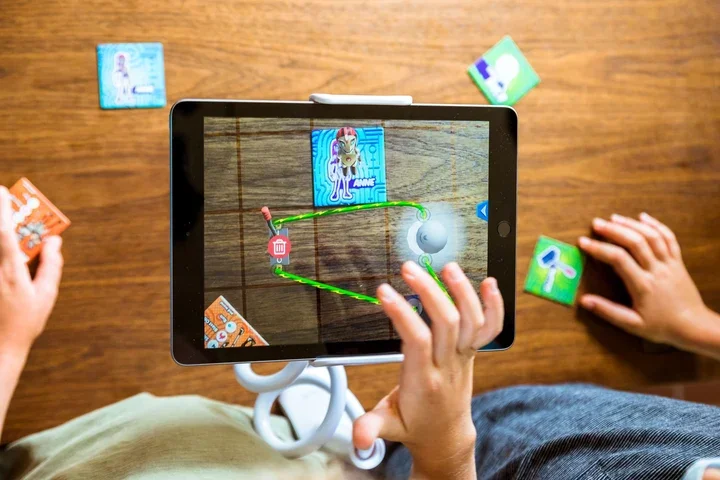
MindLabs (Purdue University / NIH & NSF funded) is the deepest example. A collaborative AR STEM platform for K–12 classrooms: four students, four devices, one shared physical card-based environment. Each module — Forces & Motion, Energy & Circuits — was designed to teach specific science concepts through hands-on experimentation and real-time multiplayer interaction. HitPoint’s President called it “the deepest multiplayer AR implementation” the studio had shipped. Winner of Best of STEM 2025, Educators Pick — Trailblazer: Virtual Labs Luminar
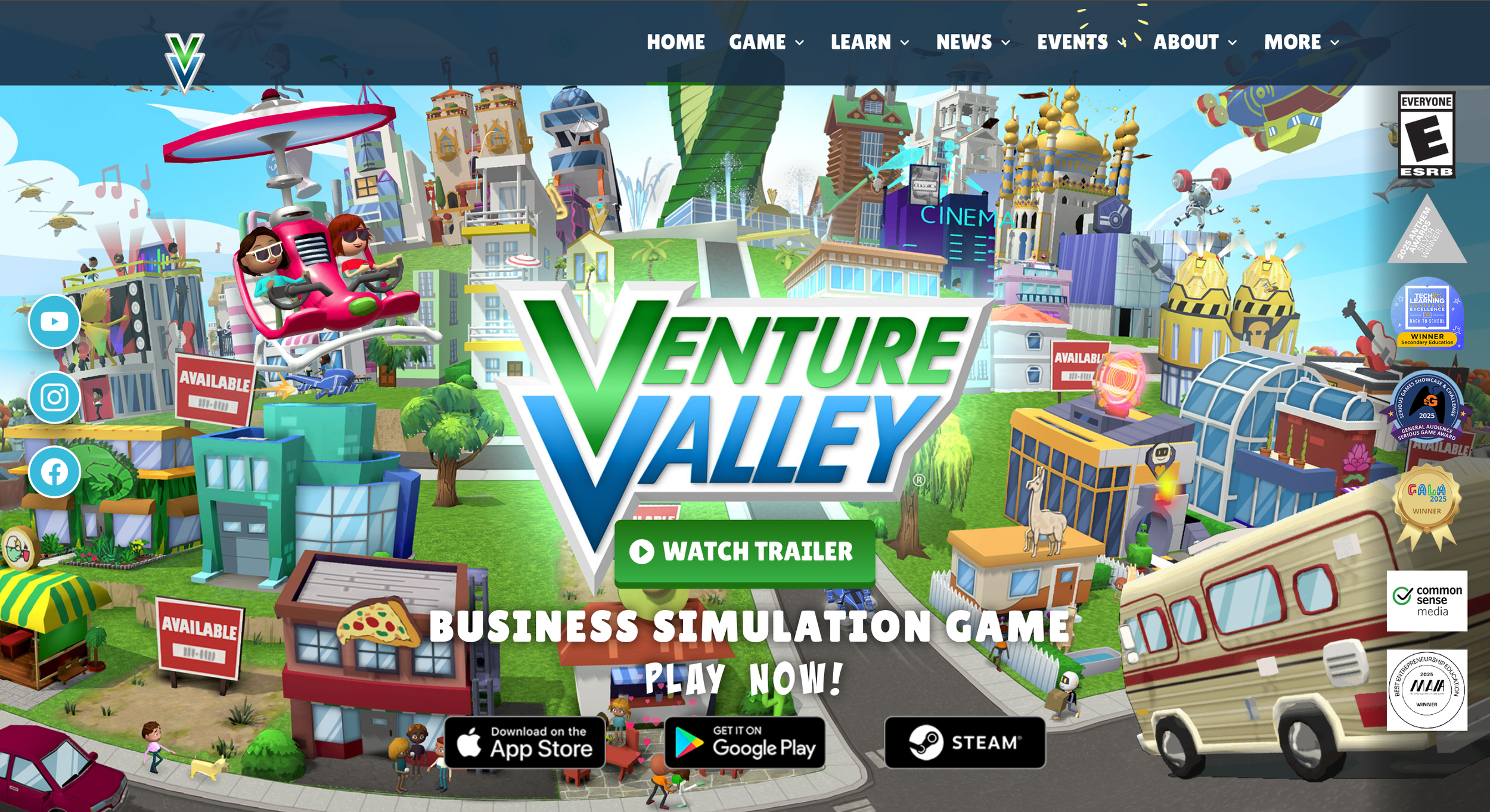
Venture Valley (Singleton Foundation) is a financial literacy sim used in college esports programs. Winner of the Serious Play Award, Anthem Award, and Tech & Learning Award. Designed to build real economic reasoning skills through gameplay — players learn by doing, not by being taught.
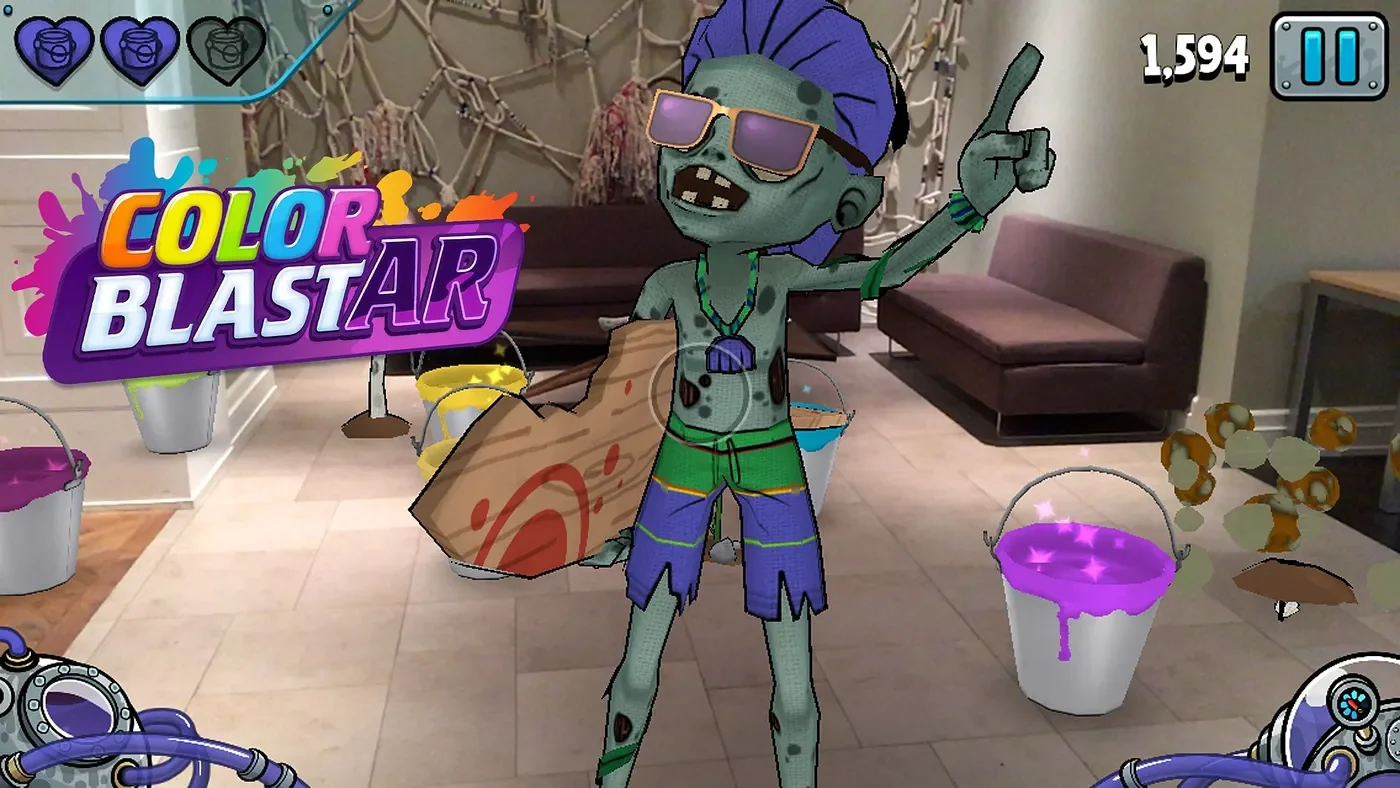
Crayola Color Blaster (Crayola / Google) targeted ages 5–9, focusing on creative exploration and color theory through AR. One of 35 apps selected for the Google Tango App Incubator. Designed for a platform with no precedents and tested extensively with real kids
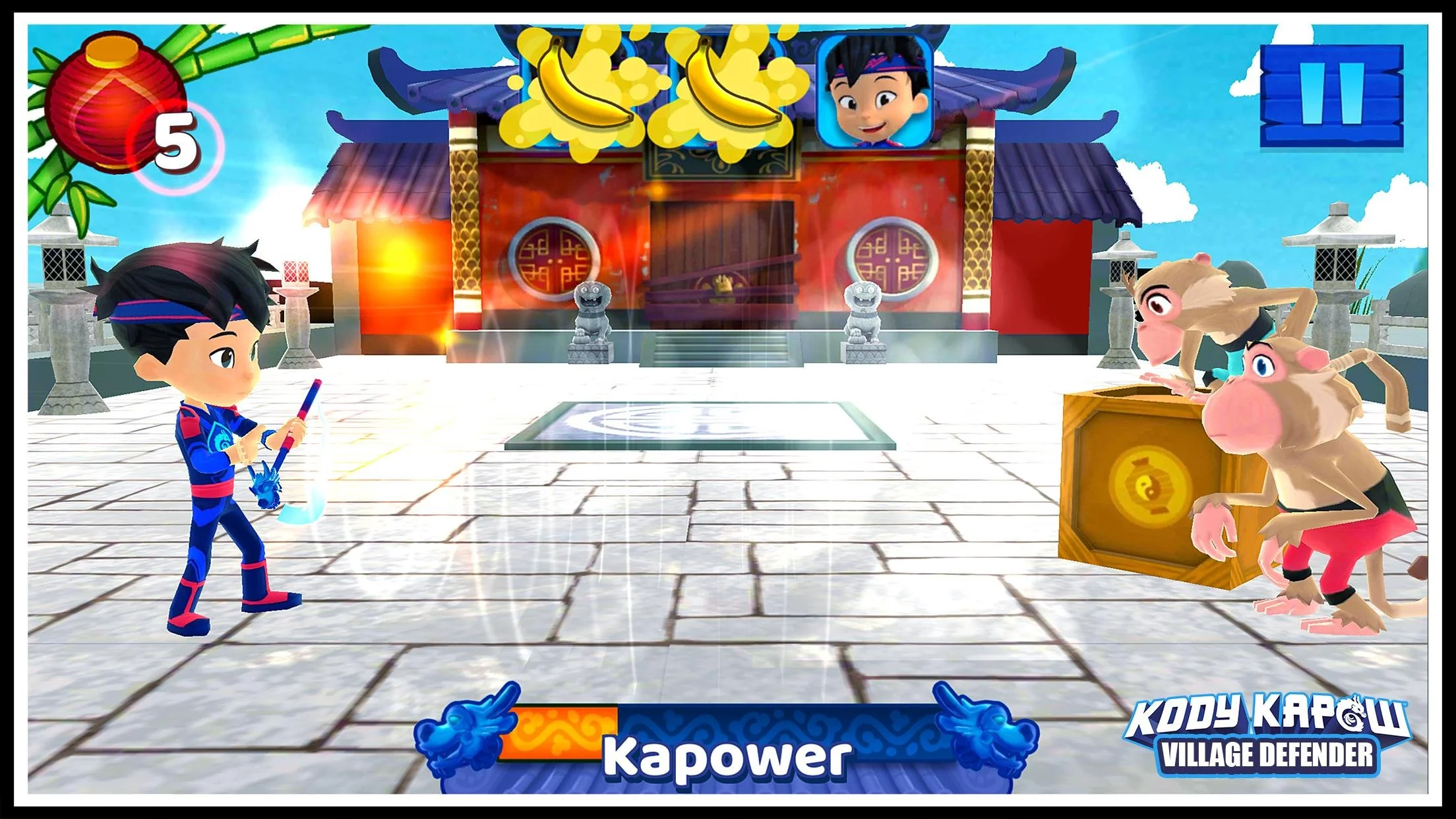
Kody Kapow: Village Defender is an action-packed digital board game designed for young children to accompany the Kody Kapow animated TV series. It includes cooperative goals, a series of mini-games, and a gentle augmented reality lantern-collecting game with a theme of mindfulness.
Educational & Cognitive Games
Some of my most technically and creatively demanding work has been designing games with behavioral goals — where the point isn’t just to entertain, but to build a skill, reinforce a habit, or shift how someone thinks. It’s also the most rewarding work.